Gỏi cuốn: a fresh taste of southern Vietnam
Rice paper, fresh herbs and a good dipping sauce: discover the tradition behind Vietnamese fresh rolls.
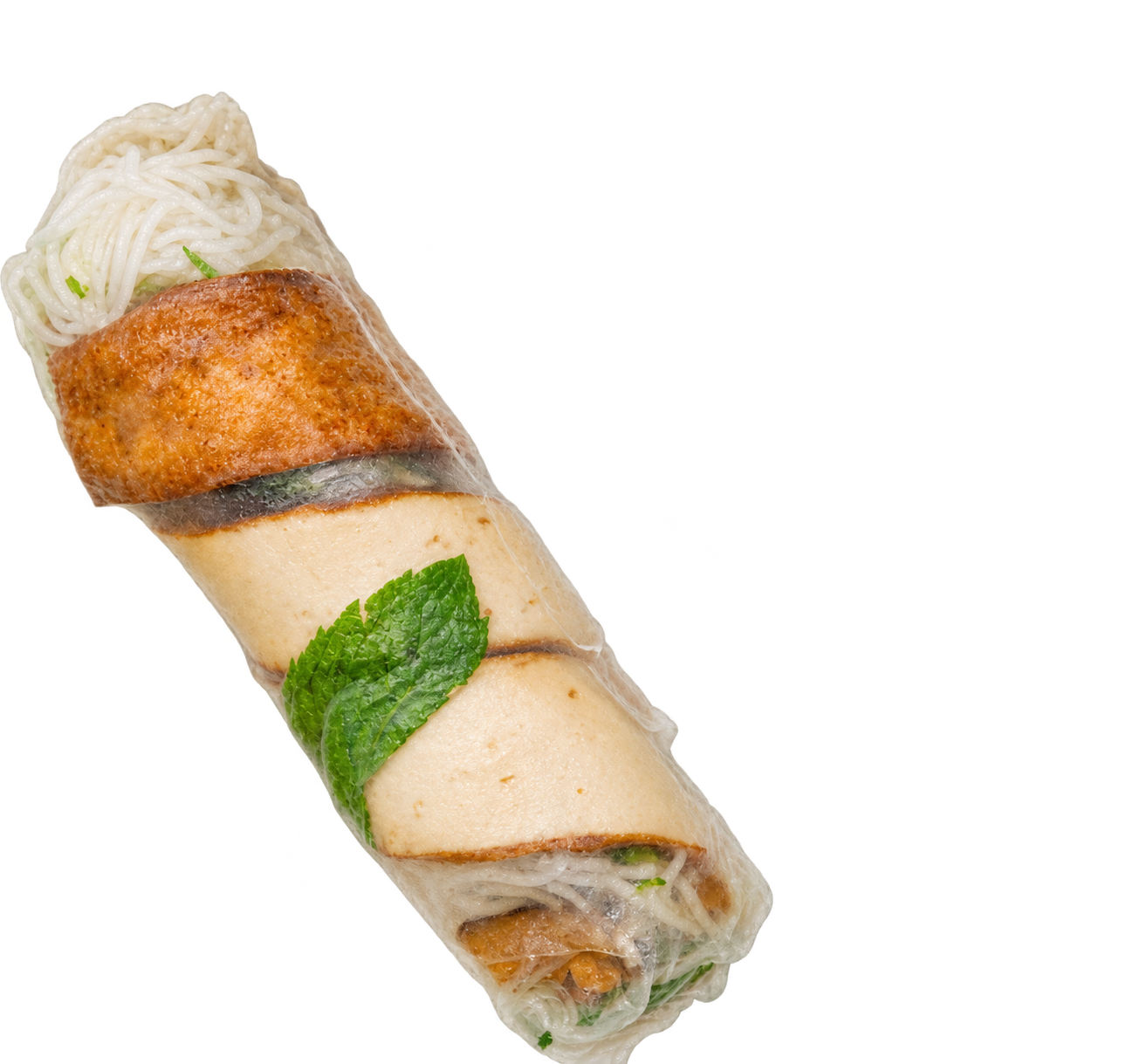
Gỏi cuốn brings a different kind of pleasure to the Vietnamese table. Instead of a hot broth, there is a soft rice-paper wrapper, fresh herbs and contrasting textures that you can see before taking the first bite. In English, these rolls are often called fresh rolls, salad rolls or summer rolls.
A southern Vietnamese tradition
Fresh shrimp-and-pork rolls are strongly associated with southern Vietnam, including Ho Chi Minh City and the Mekong region. They belong to a broad culture of wrapping ingredients in rice paper and eating them with herbs and dipping sauces. The available sources do not establish a single inventor, a precise village of origin or a reliable founding date.
Vietnam’s national tourism website describes gỏi cuốn as a childhood food for many people raised in Ho Chi Minh City. That everyday connection is part of its appeal: something easy to enjoy as a snack, without waiting for a formal occasion.

Why the wrapper matters
Rice paper becomes soft and pliable when moistened. Wrapped around noodles, vegetables, herbs and a filling, it holds everything together while allowing the ingredients to remain visible. Common versions combine shrimp and pork, but the family of Vietnamese rolls includes many variations.
Fresh gỏi cuốn is not the same as a fried spring roll. Chả giò is cooked to a crisp, while gỏi cuốn stays soft and is served fresh. English menu terminology can blur that distinction, so it helps to look at both the description and the photograph.
The finishing touch is the dip
The dipping sauce is an essential part of the experience. Peanut-based sauces are familiar on many overseas menus, while other Vietnamese preparations use different sauces. Take a small dip first, then find the balance of fresh herbs, rice paper and sauce that you enjoy.
At Pho Viet, the published menu lists shrimp summer rolls with shrimp, fresh rice vermicelli, lettuce, bean sprouts and peanut sauce. It also offers veggie tofu rolls with fresh vegetables. These are useful places to begin if you want something lighter in texture before a bowl of soup or a shared meal.
Check the ingredients with the restaurant when choosing. A vegetable or tofu label alone does not answer every question about sauces, allergens or preparation. The team can help you decide which roll fits your meal.